


Last week I was back in the Bay — my home away from home. A few weeks back I was there for Rillet Recon (find Recap here) and this last week for two different events: KPMG Finance Forward and OnRamp 2026.
Let’s dive into my key takeaways.
KPMG Finance Forward
A few months back I reached out to a few close colleagues at KPMG and talked to them about hosting a curated event with accounting and finance professionals. I gave my take on what I would do, who it would be catered to, and some advice. Well… they listened… and as a result, KPMG Finance Forward was born.
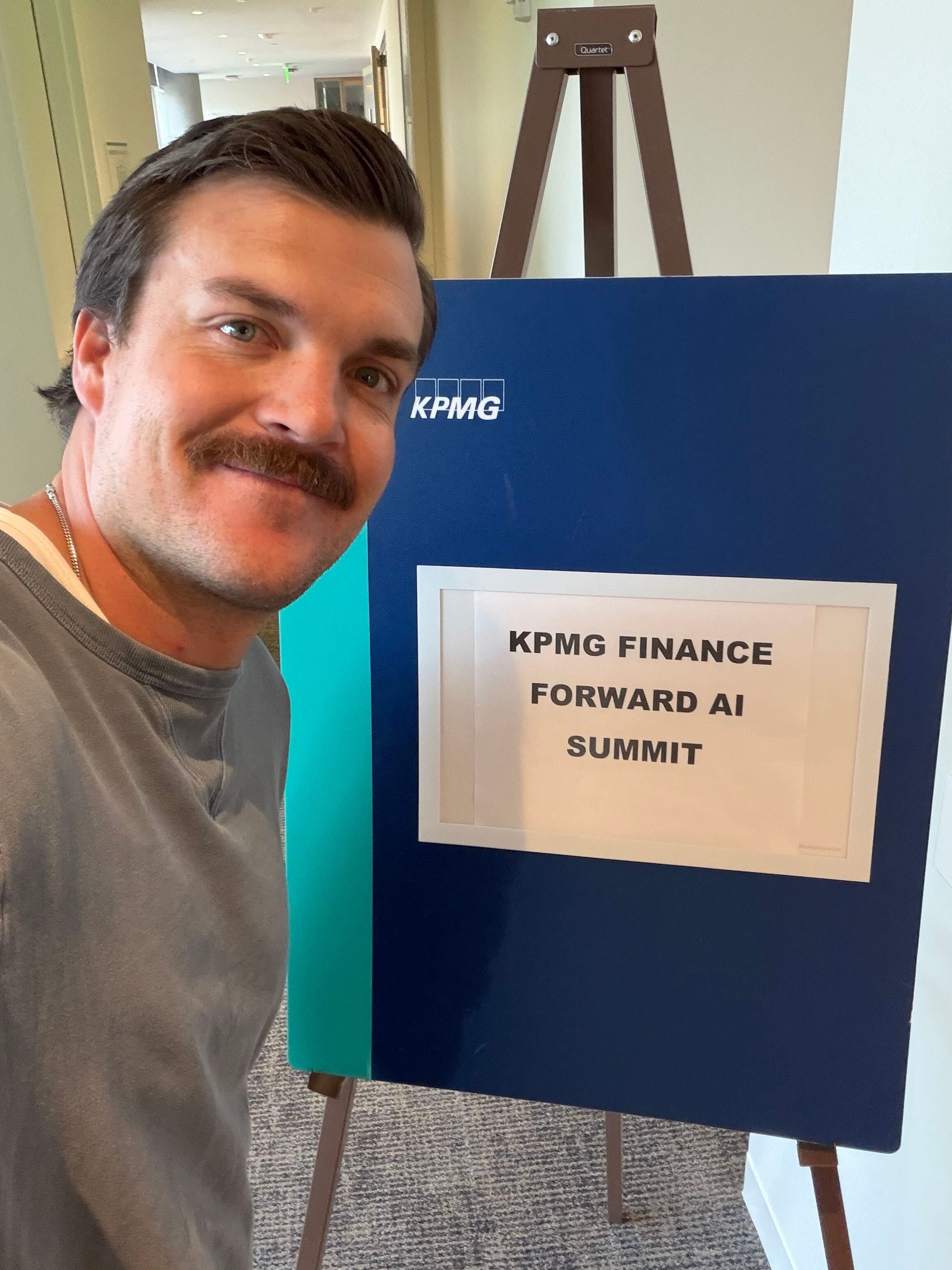
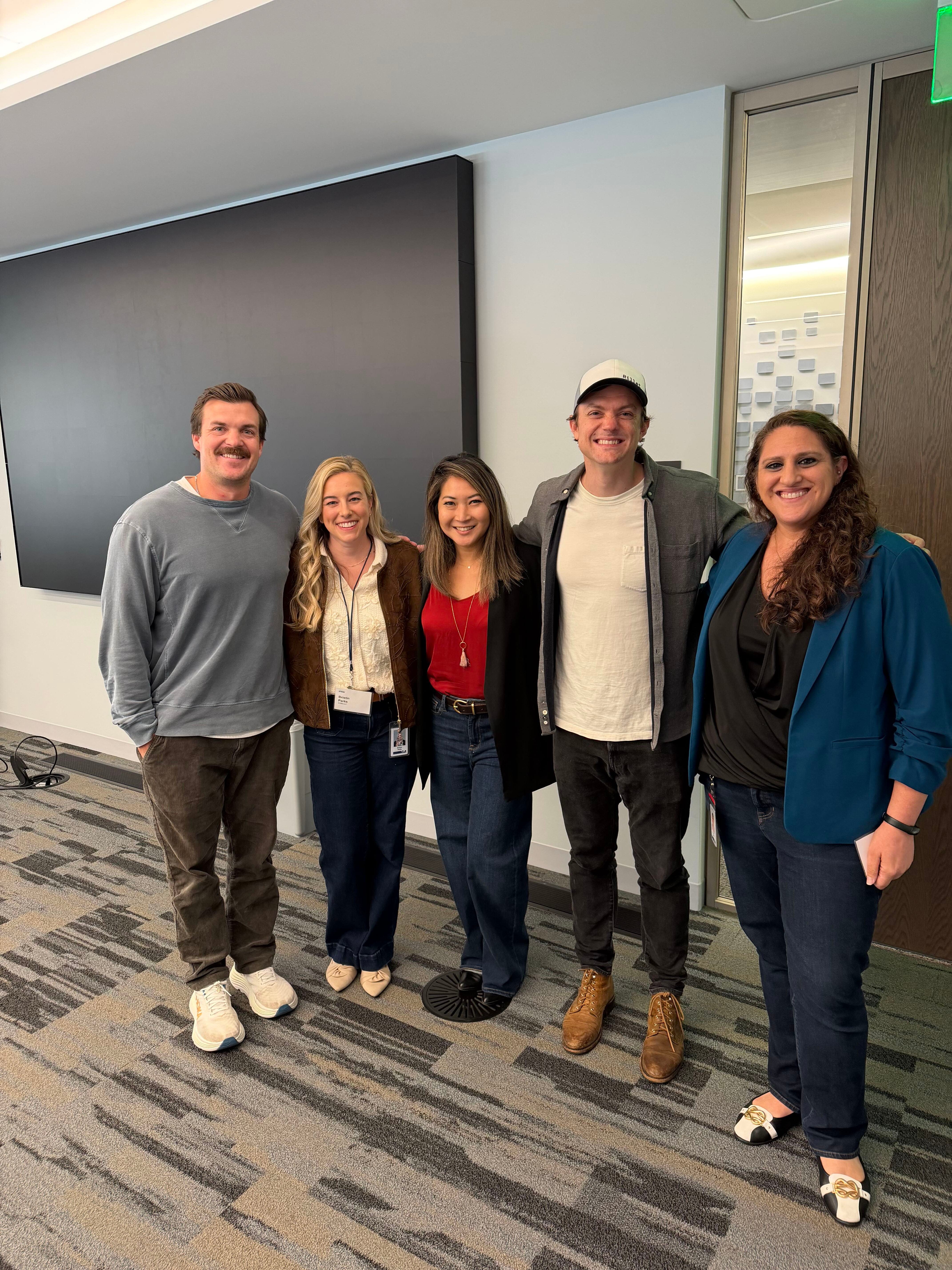
This was a quick, two-day event that included professionals from various industries and backgrounds. Hosted at the new 505 Howard St. KPMG office, this event was great. Angela Liu of Gaapsavvy walked through what it means to build an AI-native finance function from the ground up today and there were a few panels around what real-life AI deployments look like, build vs buy, and hands-on building.
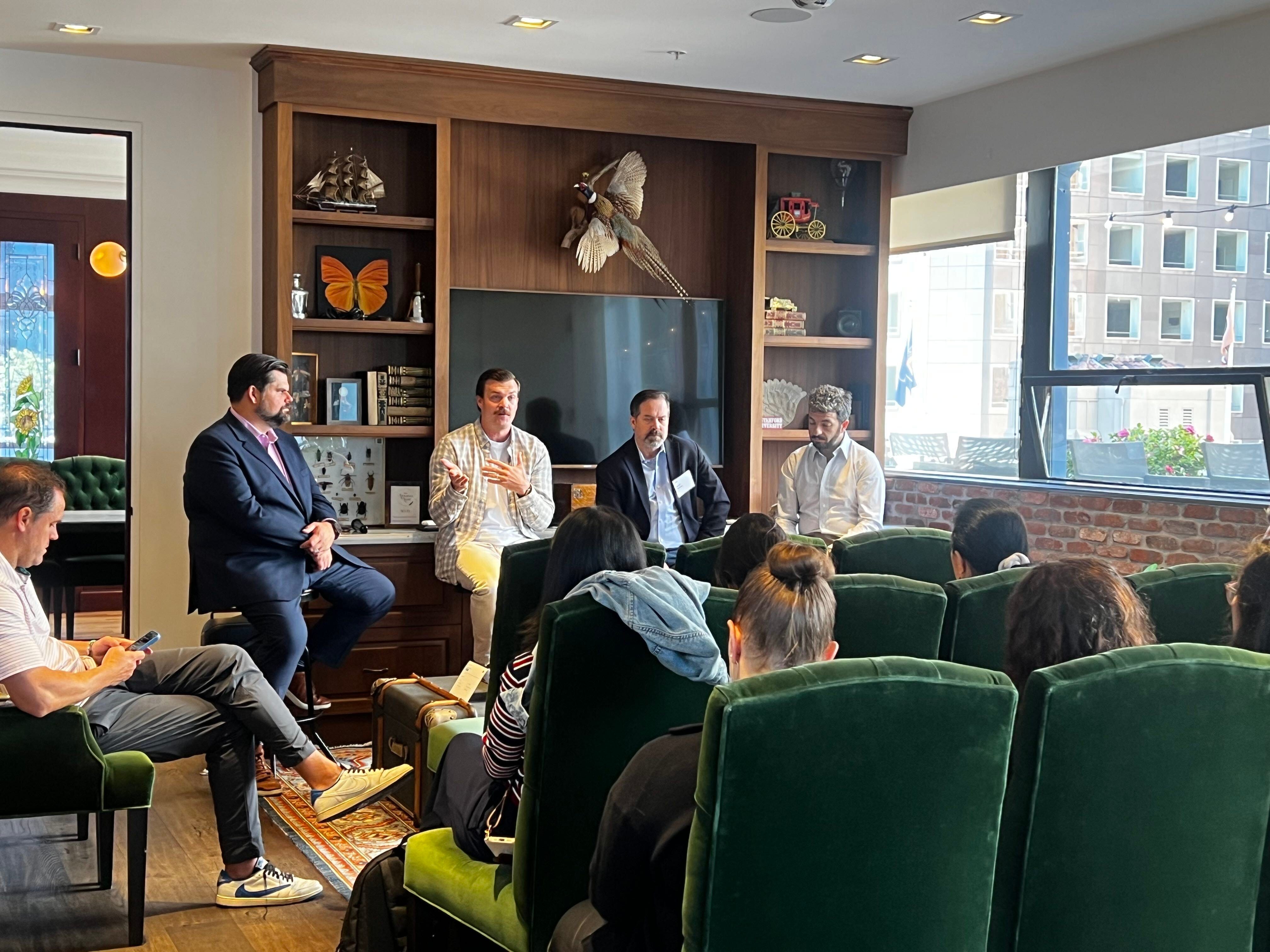
Here were the major takeaways:
1/ If you haven’t started, you’re not too late. Many accountants and finance professionals feel like they are behind the curve, but in reality, they just need to start. Start now, fail fast, and figure out how to leverage these new tools in your day to day.
2/ You don’t need to understand everything to start. By nature, accountants have perfectionist tendencies. This makes them incredible at what they do. However, you need to safely understand how these tools work and just start — you don’t need to wait until you know everything or you’ll miss the boat.
3/ When it comes to build vs buy, think of the big picture. Don’t try to build an ERP, spend management tool, or something that will require most of your time/attention. Leverage the tools you have, try to be the beta tester for their new AI features, and then build where you need. Example: leverage rules-based coding within your ERP for all of your bank matching and then leverage MCP connections to pull data into a dashboard you created that is customized to your company’s needs.
4/ We’re all learning. This has been the best time to be in the profession. We are all in a state of learning and most people truly want to help. Reach out to those struggling and help. Reach out to those thriving and ask for help. Don’t be ashamed to ask questions.
5/ If you don’t know where to start, ask AI. One of the best ways for me when starting out was writing out the things that I do on a regular basis. Then I asked the LLM to help me automate. I’d recommend automating rules-based, repeatable tasks and keeping a human in the loop for review. When it comes to judgment, you can use AI to help with the framework but the buck stops with you.
All in all, the event was incredible. It’s so refreshing to be in a room with people trying to learn, be at the cutting edge of the profession, and help each other. The best part of this event was getting to know new people and seeing familiar faces.
Here is a random question for those still with me: we just did this in San Francisco. If we were to run this back, where should we go next? Who would be interested in a hands-on building and learning workshop like this? Drop it in the comments below.
OnRamp 2026
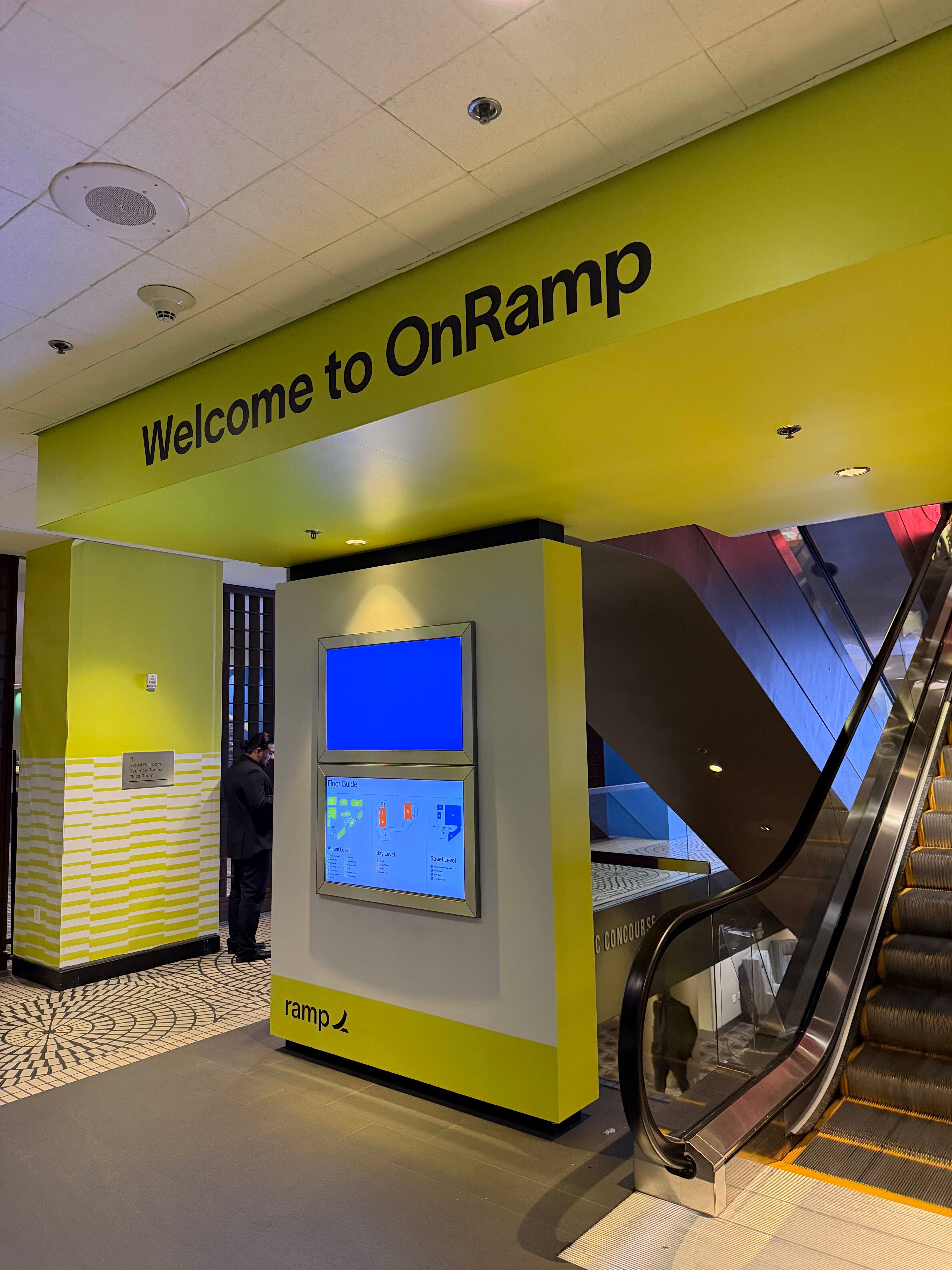
I had high expectations going into OnRamp, and my expectations were way too low. This was one of the craziest events I’ve been to — period. An entire hotel booked out, yellow top to bottom, actual ramps with professional athletes, world-class leaders, and more. Safe to say, I will be going back to OnRamp 2027.
There was a lot to unpack from this conference. However, I’m going to highlight the keynote because I believe that is where I learned the most about where Ramp is going. I recently became a founding member of Ramp’s Customer Advisory Board, and the way their team operates is incomparable to anything I’ve seen before. They’re thinking years ahead of competitors, and it’s truly remarkable to see.
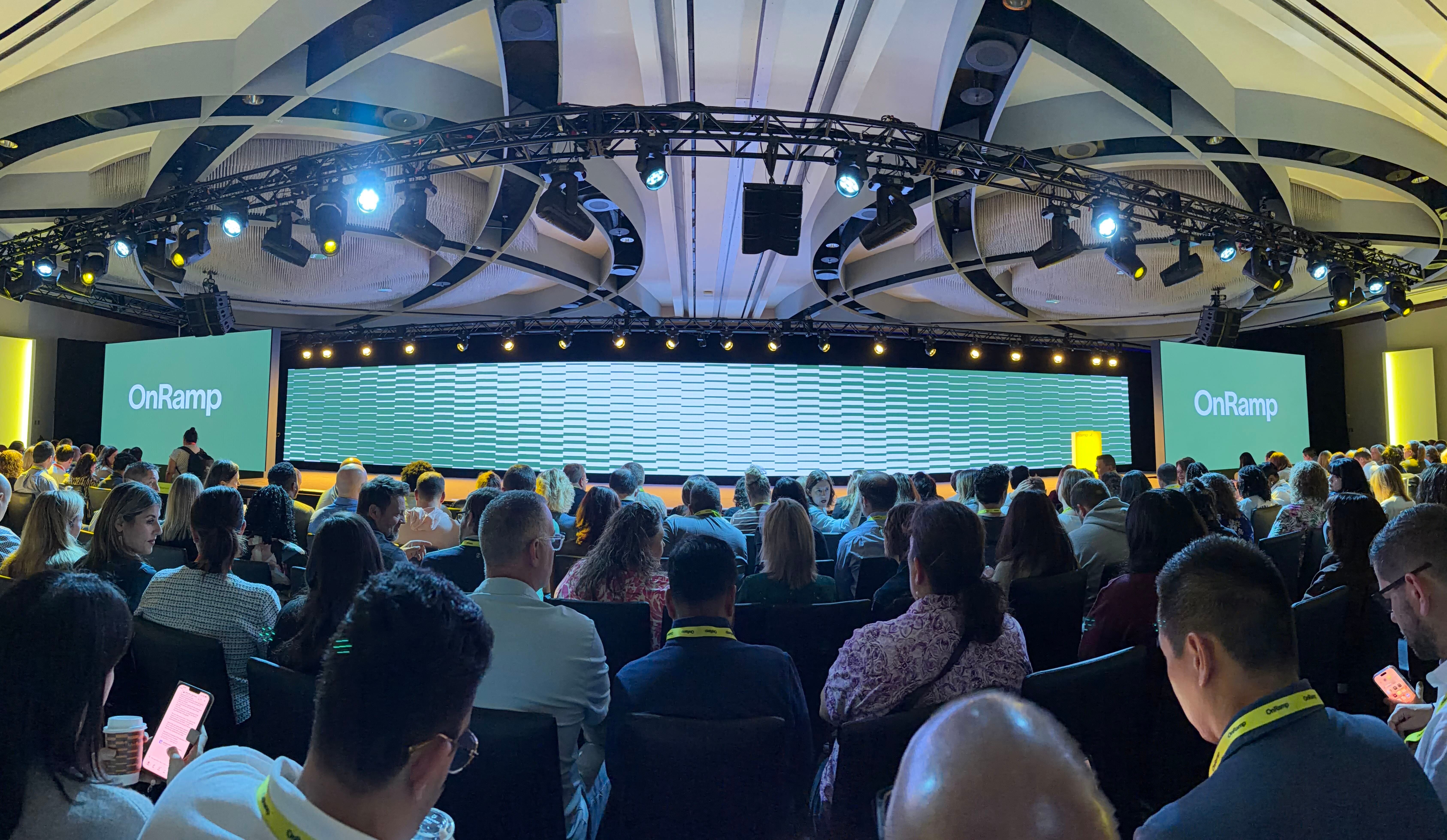
The keynote started with CEO and cofounder Eric Glyman. He talked about how the future role of the CFO is one that focuses on machine labor. The main issue that people will encounter is the unpredictability of variable costs. For years variable costs were straightforward. However, in the age of AI there is nothing standard about token costs. There is unpredictability from model to model, from provider to provider, and in overall usage. Becoming a CFO of machine labor is on the horizon.
He went on to say that white-collar workers are using AI and it’s predicted that it’ll be 15% by 2028. The goal for Ramp is to help with all of this through something they call Ramp’s Law. Ramp’s Law is simple: less work/hours spent with better results. More for less across time, money, and effort is at the core of this principle and it’s what the team at Ramp is building toward.
This set the tone for what was next.
Next, CPO Geoff Charles and several product managers took the stage to talk about the future of Ramp and the platform. During the presentation it was broken down into chapters and, for simplicity, I’ll keep it the same.
Chapter One: Make the Work Disappear
On average, users of Ramp spend approximately 110 minutes in the platform per day — which seems like a lot. The goal is to get that to zero. The way to get there is through agents, connections, and automations.
As an example, they talked about vendor contracts and negotiations. Many times there will be someone who tackled this in a prior year, had all the context, and is no longer with the company. The way around this is through a system that can help you with context that you never had before. A database that knows about the contract, competitors in the space, conversations (e.g. Gmail, Slack, etc.) that are relevant to the situation, actual usage (e.g. Okta integration, etc.), and can provide a summary of exactly what you need to know before going into the negotiation.
The future of the platform is centered on Ramp’s Law. You get more and are required to do less. Brilliant.
Chapter Two: Run More on Ramp
Ramp has been around for 7 years. It started as expense management and corporate cards and has become a full-stack finance operating system. During this phase, they announced and discussed Receivables and Stack.
Ramp Receivables was the inevitable next step in their journey to become the full-stack finance operating system. The goal is to automate the entire process from contract to cash. Ramp Receivables can receive the contract via email and then extract key features for a human in the loop review. Once reviewed, billing schedules are created within Ramp. Invoices, revenue recognition, and more all in one place.
Once approved, the invoice is generated and sent via email automatically. Collections agents are involved in the dunning process and summaries are shown for all customers. As is standard, collections are shown with in depth AR aging balances so you know the health of your AR balance. All emails are tracked within the platform, so it’s a one stop shop for you and the team to manage communications with customers.
When the customer pays, your cash is matched automatically (even more efficiently if you use Ramp Banking). At the end of the period, all revenue entries are prepared for you to review. Once reviewed by a human, they sync automatically within the ERP.
With this new addition, you are now able to see AP, AR, and banking — the entire cash flow cycle — all in one location. Insane.
It’s amazing to see AP, AR, and banking in one spot, but that is half the battle. Ramp Stack was created to assist with the remainder of the tasks that accountants need to perform each month, again, in that one location. All performed from a chat box.
We walked through bank reconciliations being performed for your team. It included a summary balance, GL activity, a review against statements, a comparison of all important details, etc. We walked through a flux analysis — automatically performed and subsequently uploaded to Google Drive for you. The key piece was that after these routine tasks were performed, a human was brought in for a human in the loop review. Everything you’d need to make this auditable and controlled.
You can make additional tasks for each month. If they’re recurring, the tasks are remembered. Based on tests, they’re even performing better than models within OpenAI and Anthropic. This is a true game changer.
Chapter Three: Make AI Pay Off
The last phase was one that will make all CFOs become CFOs of machine labor. The goal that Ramp is trying to achieve is to move quickly with AI without losing visibility and control. This is broken into three categories: manage, optimize, and leverage.
Manage. Simply put, the ability to manage your AI token spend. The way Ramp has done this is through their AI token spend feature.
How to get there: Manage spend > Tokens > AI token spend.
How to set it up: Settings (top right, gear icon) > Connect relevant tools. You'll need access to API keys for each tool, so reach out to a member of your team with access. Total setup time is less than 10 minutes.
Result: Real-time briefing and insights on your AI token spend.
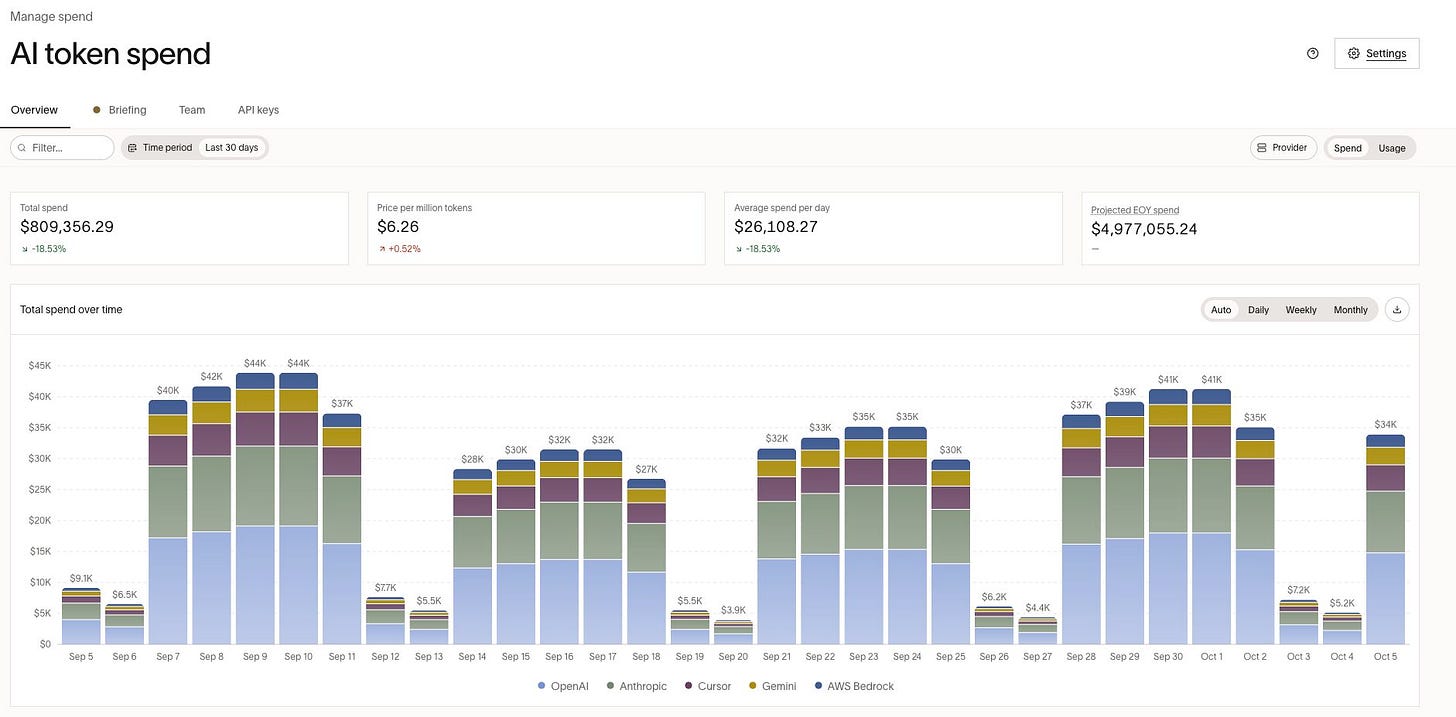
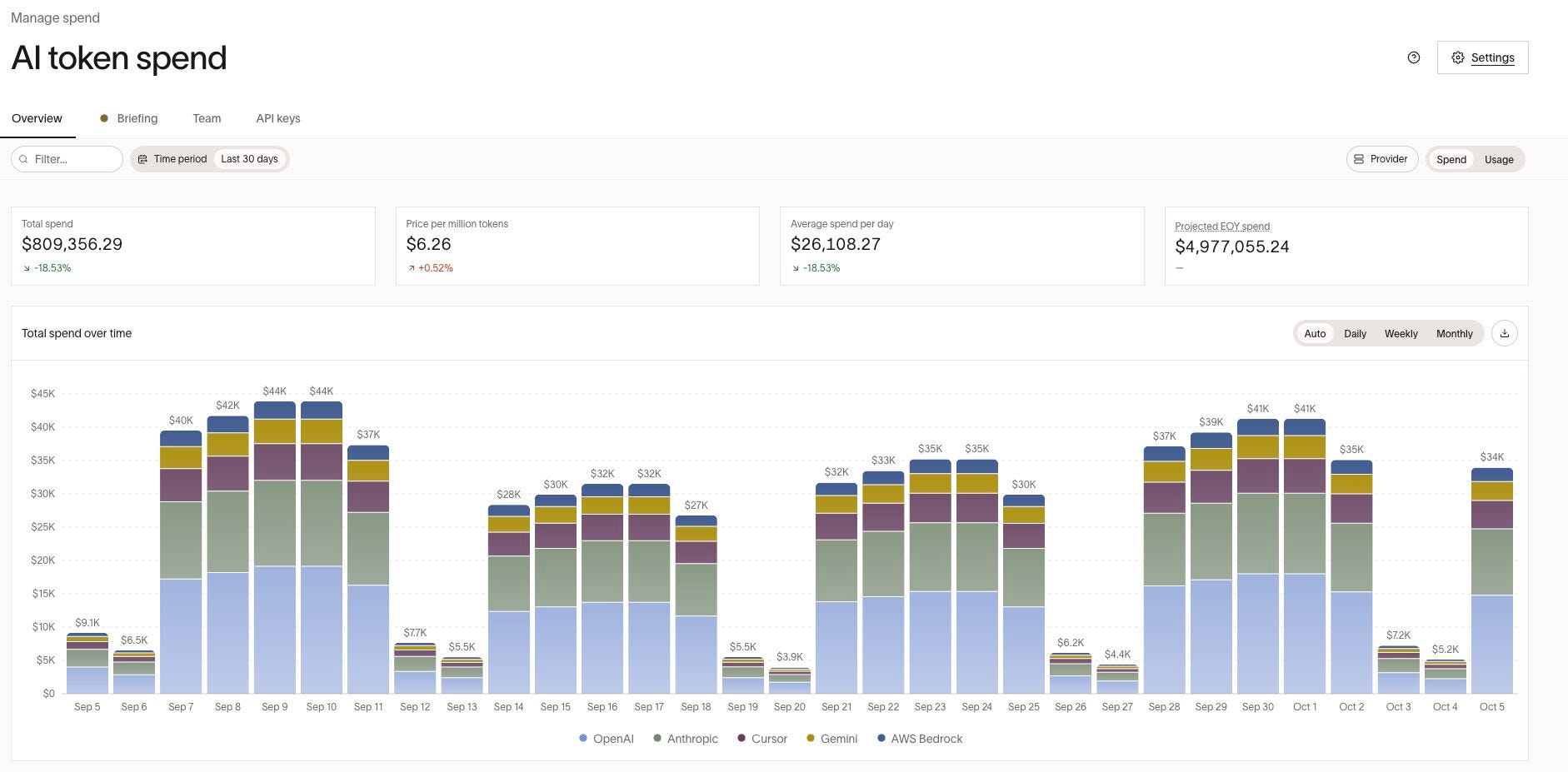
This visualization was pulled from a Ramp demo environment (no real data being shown). However, the underlying message is the same. You are now able, in real time, to understand how much you are spending and using, by model and provider. It's that simple.
Optimize. This is done through Router. Router was built to help move between frontier and basic models to make every token count. It does this through looking at every request and matching each request to the lowest-cost model. In doing this, costs are reduced, tokens are maximized, and everyone wins. Take a look at the link attached above for more detail on Router.
Leverage. One word — Glass. Glass is an internal AI workspace that Ramp built for its own employees. Ramp had high AI adoption; however, many non-technical employees were stuck because there were too many miscellaneous obstacles they encountered (e.g. terminal windows, MCP, etc.). They built Glass to give everyone an environment where it all became easier. They made Dojo (a marketplace of hundreds of shared skills) and Sensei (a recommendation tool for skills you could use). Glass made their team go to a 99.5% AI adoption rate.
This wasn’t available to the public — until now. Ramp’s own AI platform. Slack integration. All connected to systems. A one stop shop for everything. I truly cannot wait for this to go live.
Ramp is the future of finance. They ended by saying “bring us the workflow you hate the most and tell us what we should take away next.” They are building the future of the profession. I can’t wait to see what’s next.
I’m off the travel grind for the next little bit. I always leave these conferences rejuvenated and stoked about where the profession is heading. There has never been a better time to be an accountant or finance professional. We’re at the forefront of the biggest change in the profession — and I’m here for it.
The purpose of New Age Accounting is simple: to empower accountants — at every level — to become builders, not bookkeepers. Whether you’re a staff accountant, a controller, or a CFO, there’s something here for you. Some topics will be high level, others will come with step-by-step guides, and some will include the exact prompts and tools you need to start building today.
If you’ve made it this far, you’re already thinking differently about this profession. Subscribe and come build with us.
Great recaps, I can feel the energy in your article and what you brought to the bay. And that KPMG event - that was an idea you incepted, and it came to life. Like in real life - not just with AI. That’s what makes it special
Nice recap